



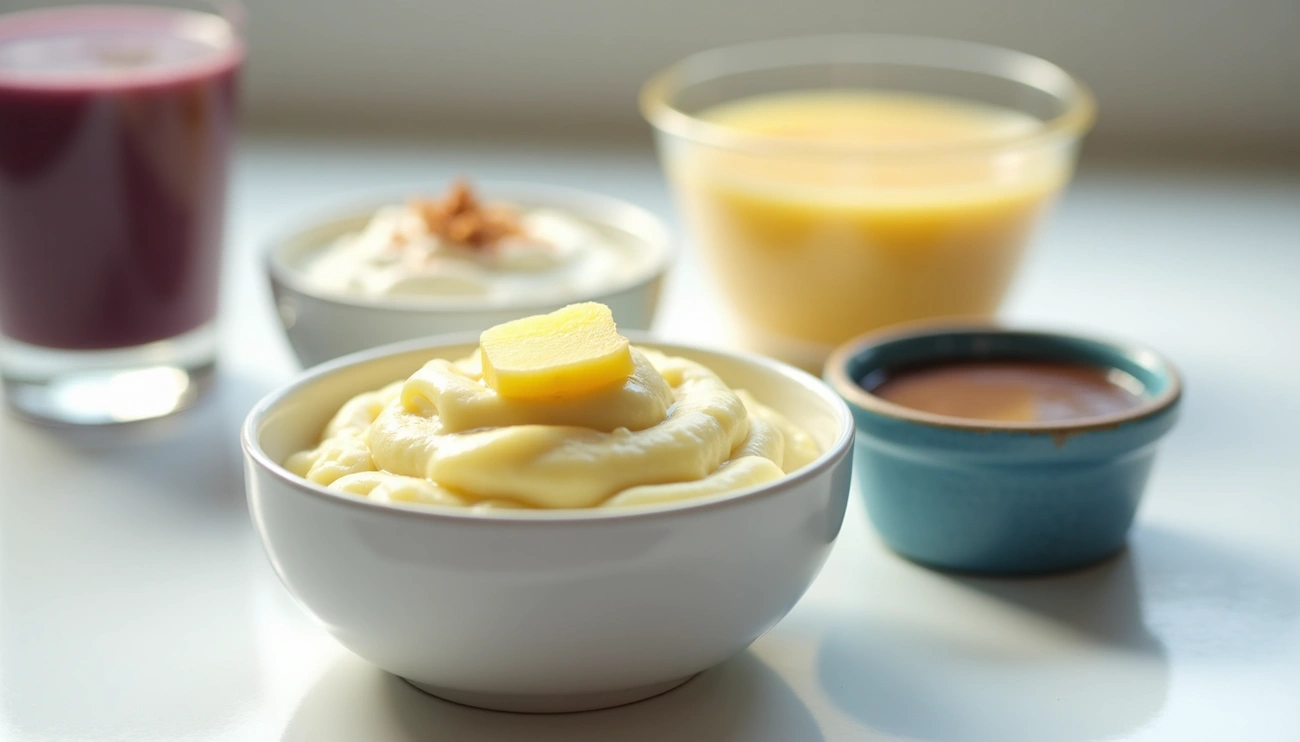
Just had a tooth pulled and wondering what 50 soft foods to eat after tooth extraction won’t leave you in pain? You’re not alone. Millions of tooth extractions are performed every year in the United States , leaving many people searching for comfortable eating options.
After tooth extraction, your gums and surrounding tissues need time to heal . What you eat during this recovery period matters significantly. Soft foods are essential because they don’t put unnecessary pressure on the extraction site, preventing further damage or irritation . Additionally, the right foods can keep inflammation lower and support tissue regeneration .
Fortunately, we’ve compiled a dentist-approved list of 50 soft foods that are both nutritious and gentle on your healing mouth. From protein-rich options to comfort foods that satisfy cravings, this comprehensive guide answers the common question: “What can I eat after tooth extraction?” It’s important to remember that people heal at different rates following dental surgery , so we’ve included various options to suit your comfort level throughout the recovery process.
Applesauce

Image Source: Greenwoods Dental
Applesauce stands out as an excellent choice when you’re looking for soft foods to eat after tooth extraction. This gentle option offers multiple benefits while giving your mouth the break it needs to heal properly.
Applesauce nutritional value
Despite its simple appearance, applesauce packs impressive nutritional benefits that support recovery. It contains valuable amounts of vitamin C, a powerful antioxidant that promotes tissue repair and strengthens your immune system [1]. This vitamin is particularly important during healing, as it helps your body form new tissue and fight off potential infections.
Moreover, applesauce provides dietary fiber that supports digestive health [2]. This is especially helpful since constipation can sometimes occur after surgery due to medication or reduced activity. The natural sugars in applesauce also offer a gentle energy boost when your appetite might be diminished.
Applesauce texture and preparation
The smooth, pureed consistency of applesauce makes it ideal for post-extraction consumption since it requires absolutely no chewing [3]. This minimizes jaw movement, which helps prevent soreness and protects the healing extraction site.
When selecting applesauce, consider these options:
- Unsweetened varieties to avoid excess sugar that could affect oral health [2]
- Room temperature servings rather than cold to prevent sensitivity [3]
- Single-serve cups for convenience during recovery [4]
Preparing homemade applesauce allows you to control ingredients completely. By making it yourself, you can significantly reduce sugar content compared to many commercial versions [2]. Simply cook peeled apples until soft, then blend until perfectly smooth to ensure no chunks that might irritate the extraction site.
Why dentists recommend applesauce
Dental professionals consistently recommend applesauce as one of the first foods to try after tooth extraction. Its gentle nature poses virtually no risk to the fragile blood clot forming in the socket [5]. The minimal jaw movement required to consume it aids healing and prevents discomfort [3].
Additionally, the vitamin C content supports collagen formation, which is essential for wound healing [3]. Many dentists appreciate that applesauce provides nutrition without sacrificing comfort during this sensitive recovery period.
Mashed Potatoes

Image Source: The EAT Bar
Mashed potatoes offer comfort and nourishment when recovering from tooth extraction, making them a perfect addition to your post-dental surgery menu.
Mashed potatoes nutritional value
Mashed potatoes deliver essential nutrients to support healing. They are rich in potassium, which helps muscle function and aids recovery [6]. Furthermore, potatoes are naturally low in fat and provide approximately 150 calories per serving, offering energy when your eating options are limited. Though higher in carbohydrates (about 36 grams per potato with only 4 grams of fiber) [7], they supply valuable vitamins and nutrients that contribute to overall wellness during recovery.
Mashed potatoes texture and preparation
The silky, creamy texture of properly prepared mashed potatoes makes them ideal for post-extraction consumption. For the best results:
- Choose starchy varieties like Russet or Yukon Gold potatoes [8]
- Ensure they’re completely smooth without chunks that require chewing [9]
- Serve lukewarm rather than hot to prevent irritation at the extraction site [10]
You can enhance flavor with mild additions such as butter, gravy, or sour cream [9]. Alternatively, consider mashed sweet potatoes, which offer additional vitamins and antioxidants to support immune function [11].
Why dentists recommend mashed potatoes
Dental professionals frequently suggest mashed potatoes after tooth extraction because they require minimal chewing effort [12]. The soft consistency prevents disruption of the healing site while still providing a filling, satisfying meal. Consequently, they reduce the risk of dislodging blood clots or irritating sensitive areas.
Mashed potatoes are altogether versatile and can be customized to personal preference while remaining gentle on your mouth. Their comforting familiarity makes them psychologically appealing during recovery, namely when appetite might be diminished by discomfort or medication.
Scrambled Eggs

Image Source: Yanich Oral Surgery
Protein plays a crucial role in your recovery after tooth extraction, and scrambled eggs provide an excellent source to help your body heal faster [13]. This soft breakfast favorite combines nutrition with comfort, making it an ideal choice during dental recovery.
Scrambled eggs nutritional value
Scrambled eggs deliver high-quality protein along with essential vitamin B12 [14], both critical for proper healing. In fact, the rich nutritional profile includes various vitamins and minerals that support recovery [3]. Unlike many other soft foods, eggs provide complete protein with all essential amino acids your body needs for tissue repair. The egg yolks specifically contain additional nutrients and calories that give you more energy during recovery [3], although egg whites remain an option for those with dietary restrictions.
Scrambled eggs texture and preparation
The soft, fluffy texture of scrambled eggs makes them perfectly suited for sensitive mouths after extraction [4]. To optimize comfort:
- Cook until just set for the gentlest texture [13]
- Mash completely smooth for easiest consumption [13]
- Serve at a moderate temperature to avoid sensitivity
You can enhance scrambled eggs by adding soft cheese for extra flavor or incorporating vegetables like spinach for additional nutrients [13]. Their quick preparation time is a bonus when you’re not feeling your best after dental surgery [5].
Why dentists recommend scrambled eggs
Dental professionals frequently suggest scrambled eggs because they require minimal chewing, accordingly protecting the extraction site [14]. The soft consistency prevents food particles from becoming lodged in the socket, specifically when eggs are thoroughly mashed [15]. Their high protein content specifically helps tissue regeneration around the extraction area [4], while their versatility allows for variety in your restricted diet.
Scrambled eggs provide nutrition without risking damage to the forming blood clot, indeed making them a safe, satisfying option during your recovery journey.
Greek Yogurt

Image Source: Greenfield Dental Clinic Vietnam
Greek yogurt has emerged as a standout option among soft foods to eat after tooth extraction, primarily because of its exceptional protein content and creamy consistency.
Greek yogurt nutritional value
This dental recovery powerhouse contains nearly twice the protein of regular yogurt, making it excellent for tissue repair [16]. Rich in calcium and zinc, Greek yogurt supports bone health and accelerates wound healing [17]. The probiotics (beneficial bacteria) found abundantly in Greek yogurt help fight infection [18] plus maintain a healthy balance in your mouth, potentially reducing bacteria that cause gum disease [19]. Even more impressive, it contains vitamin B-12 and balances pH levels in your mouth, creating an environment less conducive to harmful bacteria [3].
Greek yogurt texture and preparation
The smooth, creamy texture requires zero chewing, which protects the extraction site [2]. For best results:
- Choose plain, unsweetened varieties to minimize sugar exposure [1]
- Let it sit 5-10 minutes before eating if cold sensitivity is an issue [2]
- Consider fortified plant-based alternatives if you have dairy sensitivities [1]
Why dentists recommend Greek yogurt
Dental professionals value Greek yogurt as it provides cooling relief that helps reduce swelling around extraction sites [1]. Its probiotics counteract potential digestive side effects from post-procedure antibiotics [2]. The high protein content (15-20 grams per six-ounce serving) directly supports tissue repair at the surgical site [16].
Smoothies

Image Source: Greenwoods Dental
Smoothies stand as a remarkable solution among the 50 soft foods to eat after tooth extraction, providing nutrition without straining your healing mouth.
Smoothies nutritional value
Smoothies deliver essential nutrients in an easily digestible form. They’re packed with flavonoids that function as antioxidants, reducing inflammation and supporting cellular health [20]. Blended fruits and vegetables allow you to retain fiber instead of losing it through juicing [20]. Hence, this aids digestive health and increases satiety compared to drinking juices. For complete nutrition, consider including at least 25 grams of protein if using a smoothie as your main meal [20].
Smoothies texture and preparation
The smooth, liquid consistency makes smoothies perfect for post-extraction consumption. To create a nutritious blend:
- Combine 2-3 cups of produce (fresh, frozen, or canned fruits and vegetables)
- Add ½ to 1½ cups of liquid (water, low-fat milk, or plant-based beverage)
- Include extras like yogurt, oats, or protein powder [20]
Prep-ahead by storing non-liquid ingredients in freezer bags for quick access [20].
Why dentists recommend smoothies
Dental professionals endorse smoothies as ideal foods after oral surgery. They’re cool and soothing, which helps reduce swelling around extraction sites [3]. Meanwhile, their nutritious nature ensures you receive vital vitamins and minerals without requiring any chewing [3]. Furthermore, smoothies can be customized to match dietary needs while supporting recovery [14].
Cottage Cheese
Image Source: Hermitage Oral Surgery
Among the 50 soft foods to eat after tooth extraction, cottage cheese delivers both comfort and nutrition to support your recovery journey.
Cottage cheese nutritional value
Cottage cheese serves as a powerhouse of protein, which is crucial for the healing process after a tooth extraction as it helps with tissue repair and rebuilding [5]. This soft dairy option provides excellent protein and calcium, nutrients that support healing and bone health [10]. Notably, cottage cheese is low in calories [10], yet offers a rich source of protein and calcium needed for proper healing [11]. These nutrients work together to strengthen the extraction area while your body rebuilds tissue.
Cottage cheese texture and preparation
The soft curds of cottage cheese require minimal effort to chew [5], creating a satisfying texture that’s gentle on your healing mouth. Its naturally smooth consistency demands no chewing whatsoever [10], making it ideal for tender gums. Consider these serving options:
- Pair with soft fruits like peaches or pears for added flavor [21]
- Mix with mashed berries for a cool, refreshing snack [11]
- Blend with mashed banana or applesauce for an interesting flavor profile [10]
- Season with a touch of honey for a simple treat [10]
Why dentists recommend cottage cheese
Dental professionals favor cottage cheese primarily because it’s gentle yet protein-packed [22]. Its soft texture poses virtually no risk to the extraction site while still delivering satisfying nutrition. The protein-rich nature makes it an ideal post-extraction snack [23] that supports the body’s healing mechanisms without requiring jaw movement that might disturb the wound. Dental experts appreciate that cottage cheese can be eaten on its own or easily combined with other soft foods for variety [24].
Oatmeal

Image Source: Fresh Dental NC
Oatmeal provides exceptional comfort plus nutrition, making it a valuable addition to your soft food diet after dental procedures.
Oatmeal nutritional value
Oatmeal contains soluble fiber that helps stabilize blood sugar levels, which is essential for optimal wound healing [25]. This hearty breakfast option is full of fiber that supports digestive health [6], helping counter potential constipation that sometimes occurs after surgery. Oatmeal naturally delivers vitamins and minerals that contribute to recovery while providing sustained energy [8]. The filling nature of oats helps maintain satisfaction between meals, given that your eating options might be limited during recovery.
Oatmeal texture and preparation
For ideal post-extraction consumption, oatmeal should be prepared to achieve the softest possible texture. Consider these preparation methods:
- Soak rolled oats overnight, then simmer until luxuriously soft [25]
- Serve lukewarm to avoid irritating the extraction site [8]
- Wait 2-3 days after extraction as oats can be slightly sticky [7]
Whenever possible, avoid instant oatmeal containing sugar or additives [26], though some dental professionals note that instant varieties are less chewy than steel-cut alternatives [7]. Enhance plain oatmeal with soft toppings such as mashed banana, a swirl of peanut butter for extra protein [25], or a dollop of Greek yogurt [27].
Why dentists recommend oatmeal
Dental professionals include oatmeal on their recommended foods list [28] as it requires minimal chewing effort. Provided that it’s cooked until properly soft, oatmeal offers a nutritious meal that won’t disrupt healing tissue. Essentially, this comforting food delivers sustained energy while being gentle on your sensitive mouth. Dental experts typically suggest waiting a few days post-extraction before introducing oatmeal, making it perfect for the later stages of your recovery journey.
Avocado

Image Source: Fresh Dental NC
Avocados shine as a nutrient powerhouse among soft foods to eat after tooth extraction, often called a “superfood” by nutritionists and dieticians [12]. This creamy fruit offers ideal consistency plus remarkable healing properties for dental recovery.
Avocado nutritional value
Avocados deliver exceptional nutrition that directly supports oral healing. They contain:
- Healthy fats that promote wound healing and reduce inflammation [9]
- Vitamins C, E, and K essential for tissue repair [9]
- Potassium (700g per cup) that strengthens teeth and improves bone mineral density [12]
- Folic acid that significantly reduces gum inflammation [12]
- Magnesium (15% of daily value) that fights inflammation and helps remineralize teeth [29]
Avocado texture and preparation
The soft, creamy consistency makes avocados perfect for sensitive mouths after extraction [30]. You can enjoy them:
- Mashed or pureed for maximum softness [1]
- Blended into smoothies for easier consumption [31]
- Mixed with other soft foods for flavor variety
Why dentists recommend avocado
Dental professionals value avocados as they contain phytonutrients that protect gums from bacterial infection [12]. Their naturally occurring probiotic bacteria help maintain beneficial oral balance [29]. The antioxidant properties from this dark-colored fruit work alongside vitamin-rich content to strengthen teeth [32], yet require minimal chewing effort [14].
Macaroni and Cheese

Image Source: Alexandria Dental Spa
Macaroni and cheese emerges as a comforting favorite on any list of soft foods to eat after tooth extraction, balancing familiar flavors with practical benefits for healing mouths.
Macaroni and cheese nutritional value
Macaroni and cheese offers valuable carbohydrates that provide necessary energy during recovery. The cheese sauce adds protein plus calcium to support tissue repair. However, its primary benefit lies not in nutritional density but in its ability to deliver a satisfying, familiar meal when your food options feel limited. The combination of soft pasta with creamy cheese creates a comforting dish that can help maintain your appetite through the healing process.
Macaroni and cheese texture and preparation
The ideal preparation involves cooking pasta until very soft—beyond traditional al dente texture. This comforting dish works well after extraction because you can either swallow the tiny noodles whole or gently chew them with your front teeth [15]. For optimal post-surgery consumption:
- Ensure the macaroni is cooked thoroughly until very soft
- Serve at room temperature or slightly cool, never hot [33]
- Add extra cheese sauce for increased creaminess
Why dentists recommend macaroni and cheese
Dental professionals recognize macaroni and cheese as appropriate for the gradual progression from liquids to soft foods [4]. By the third day post-extraction, this familiar comfort food provides a satisfying option that requires minimal chewing effort [34]. Its creamy texture makes it gentle on healing tissue yet filling enough to constitute a proper meal [35].
Pudding
Image Source: San Luis Oral Surgery & Dental
Pudding satisfies sweet cravings as a perfect dessert choice among soft foods to eat after tooth extraction. This classic comfort food offers a soothing experience for mouths undergoing recovery.
Pudding nutritional value
Beyond its sweet taste, pudding provides valuable carbohydrates and protein that help maintain energy levels during healing [36]. Though relatively high in sugar, you can opt for sugar-free or low-sugar varieties to minimize irritation at the extraction site [37]. As a milk-based dessert, pudding delivers additional protein necessary for recovery [38].
Pudding texture and preparation
The smooth, creamy consistency requires zero chewing effort, making pudding exceptionally gentle on healing gums [3]. Consider these options:
- Classic flavors like butterscotch or banana for soothing treats [5]
- Rich chocolate for decadent comfort
- Timeless vanilla that pairs well with fruit toppings [5]
Pudding typically lasts over a week when refrigerated, allowing you to prepare it before extraction [39]. This preparation advantage means less cooking effort during recovery.
Why dentists recommend pudding
Dental professionals suggest pudding after the first 24 hours post-extraction [40]. Its velvety texture won’t irritate sensitive tissues or cause discomfort [36]. Plus, pudding requires absolutely no chewing, protecting the fragile blood clot forming in the socket [24]. Finally, many dentists value pudding as a satisfying treat that provides comfort during what can be an uncomfortable recovery period.
Ice Cream

Image Source: Atrium Dental
The cooling comfort of ice cream makes it a welcome addition to your post-extraction diet, offering both relief and enjoyment during recovery.
Ice cream nutritional value
Beyond its sweet taste, ice cream provides easy calories when chewing becomes difficult. The sugar and fat content releases dopamine, naturally improving your mood after surgery [41]. Yet, nutritional benefits must be balanced with sugar content—excessive sugar near the extraction site might slow healing [13]. As a result, many dentists suggest considering sugar-free or low-sugar alternatives [42].
Ice cream texture and preparation
For optimal healing support:
- Choose plain flavors without nuts, cookie chunks, or hard mix-ins [13]
- Allow ice cream to soften slightly before eating rather than consuming it directly from the freezer [43]
- Select soft-serve varieties for their gentler consistency [44]
- Eat with a spoon—never use straws as sucking can dislodge blood clots [13]
Why dentists recommend ice cream
Dental professionals typically advise waiting 48 hours post-extraction before enjoying ice cream [42]. Primarily, its cold temperature constricts blood vessels, reducing swelling and accelerating healing [41]. Just as importantly, the coldness naturally numbs sensitive areas, providing soothing pain relief without medication [41]. The cold application simultaneously helps stabilize the critical blood clot forming in the extraction site [41].
Hummus

Image Source: Greenwoods Dental
Looking for a protein-rich option among soft foods after tooth extraction? Hummus offers a delicious, nutritious alternative that combines taste with gentle texture.
Hummus nutritional value
This creamy Middle Eastern dip packs remarkable nutrition for healing. Blending chickpeas with tahini, olive oil, lemon, and garlic creates a protein-rich spread loaded with plant protein and iron [25]. Hummus provides essential vitamins plus minerals [45] while delivering valuable fiber from chickpeas. As a vegetarian protein source, hummus supports surgery recovery [3], making it particularly beneficial when healing tissues need nutritional support.
Hummus texture and preparation
The smooth, creamy consistency makes hummus ideal post-extraction as it requires no chewing whatsoever. You can enjoy it:
First, ensure you avoid dipping hard vegetables like carrots or crackers as these can damage healing wounds [3]. Second, consider store-bought varieties for convenience or easily make it at home using a food processor [46].
Why dentists recommend hummus
Dental professionals favor hummus because its smooth texture poses no risk to the extraction site. Obviously, the chickpea base delivers filling nutrition without requiring jaw movement that might disturb healing gums [5]. Within the first days post-extraction, this versatile food becomes an excellent choice [47] as its creamy texture won’t irritate sensitive tissues. Typically, dentists appreciate that hummus provides concentrated nutrition while maintaining patient comfort throughout recovery.
Mashed Bananas

Image Source: dental clinic in Brandon
Bananas offer a nutritious, naturally sweet option for your post-extraction diet, making them an excellent addition to your list of soft foods after tooth extraction.
Mashed bananas nutritional value
Mashed bananas deliver substantial nutrition while being gentle on healing gums. This potassium-rich fruit directly supports muscle recovery [48], making it valuable during your healing process. Beyond potassium, bananas provide folate, vitamin B6, and manganese [49] – all nutrients that help your body recover after dental procedures.
Mashed bananas texture and preparation
The naturally soft texture makes bananas ideal for post-extraction consumption [1]. For optimal results:
- Choose riper bananas as they’re typically sweeter and softer [2]
- Mash thoroughly using a fork or potato masher [2]
- Consider blending frozen bananas with a splash of milk for a delicious banana ice cream alternative [49]
You can enhance mashed bananas by combining them with dairy products for added softness and flavor [50]. This versatility lets you create different variations even with dietary limitations.
Why dentists recommend mashed bananas
Dental professionals recommend mashed bananas primarily as they nourish your body after wisdom teeth extraction [14]. Their creamy texture after mashing makes them easy to swallow [48], requiring minimal effort from your healing mouth. Adding mashed bananas to your recovery diet provides both comfort and essential nutrients without risking damage to the extraction site.
Cream of Wheat
Image Source: Rockcliffe Dental
Cream of Wheat represents an excellent addition to your recovery menu after tooth extraction, offering both comfort and essential nutrients in an easy-to-eat form.
Cream of wheat nutritional value
This warm breakfast cereal packs impressive nutritional benefits, primarily its high iron content—a single serving provides up to 50% of your daily recommended iron intake [51]. Beyond iron, Cream of Wheat delivers substantial B vitamins including niacin (39% DV), vitamin B6 (38% DV), thiamine (37% DV), riboflavin (33% DV), and folate (33% DV) [17]. Additionally, it contains selenium (13% DV) and calcium (11% DV) [17]. With approximately 133 calories, 4 grams of protein, and 28 grams of carbohydrates per cup [17], this cereal provides energy without taxing your healing mouth.
Cream of wheat texture and preparation
The smooth, creamy consistency makes Cream of Wheat ideal for post-extraction consumption. Its fine texture comes from finely ground wheat semolina that’s enriched with essential vitamins and minerals [51]. You can prepare it with milk or water according to your preference [17]. For added nutritional benefits, consider these toppings:
- Nuts or seeds for beneficial fats and protein
- Fresh fruits for natural sweetness and fiber
- Cinnamon or nutmeg for flavor without added calories [51]
Why dentists recommend cream of wheat
Dental professionals often suggest Cream of Wheat as an appropriate soft food after wisdom tooth extraction [52]. Its warm, gentle texture won’t disturb surgical sites yet provides substantial nutrition during recovery [5]. As an easily digestible carbohydrate source, it offers quick energy while requiring minimal chewing effort [5].
Soft Fish (like salmon)

Image Source: Greenwoods Dental
Fish varieties like salmon deliver outstanding nutrition while remaining gentle on healing gums after extraction. Wondering what types of protein can you safely enjoy post-procedure? Soft, flaky fish offers a delicious solution.
Soft fish nutritional value
Salmon stands among the healthiest fish options for post-extraction recovery. It provides essential protein needed for tissue repair [7]. What makes salmon particularly valuable is its rich omega-3 fatty acid content, which actively reduces inflammation [7][53]. These natural anti-inflammatory properties directly support wound healing [53], making it an ideal addition to your soft food diet.
Soft fish texture and preparation
The naturally soft, flaky texture of salmon allows for consumption without strenuous chewing [3]. You can prepare it through various methods:
- Baking in the oven
- Steaming for maximum softness
- Grilling or broiling [3]
First of all, avoid the crispy skin regardless of how appetizing it might seem—these crispy bits can flake off, potentially falling into surgical wounds [3]. Consider adding butter for enhanced flavor [7] alongside maintaining moisture.
Why dentists recommend soft fish
Dental professionals frequently suggest salmon primarily because it’s soft, easy to chew, yet highly nutritious [8]. Its protein content accelerates healing [8], oftentimes making it preferable to other protein sources requiring more jaw movement. The combination of easy consumption plus anti-inflammatory omega-3s creates an ideal recovery food [54] that supports overall healing.
Polenta

Image Source: Alexandria Dental Spa
Polenta emerges as a comforting Italian dish perfect for those seeking soft foods after tooth extraction, offering a gentle eating experience without compromising on flavor.
Polenta nutritional value
This Northern Italian staple provides modest nutritional benefits while being easy to digest. A typical serving contains approximately 88 calories, 6g of fat, 7g of carbohydrates, and 1g of protein. As well as basic nutrition, polenta offers a neutral base that can be enhanced with more nutritious ingredients like vegetables or cheese to improve its overall nutritional profile.
Polenta texture and preparation
Polenta’s creamy consistency makes it ideal for sensitive mouths. Made by boiling cornmeal in water or broth until it reaches a porridge-like thickness, this versatile dish requires proper preparation for optimal softness. For best results:
The ideal ratio is five parts water to one part polenta by volume, ensuring the cornmeal fully hydrates. Proper cooking requires gentle boiling while stirring continuously to prevent uncomfortable lumps from forming. This process helps break down the cornmeal into a smooth texture that’s gentle on healing gum tissue.
Why dentists recommend polenta
Dental professionals favor polenta for post-extraction diets given its exceptionally soft consistency. Above all, it’s easy to digest and places minimal stress on healing gums. The customizable nature allows patients to adjust flavors without compromising the gentle texture necessary during recovery. To begin with, try warm polenta with creamy tomato sauce and a sprinkle of Parmesan for a satisfying meal that won’t disturb healing extraction sites.
Rice Pudding

Image Source: Suave Dental Clinic
Rice pudding serves as a comforting, sweet option on your journey through soft foods after tooth extraction – offering both nutrition and satisfaction without challenging your healing mouth.
Rice pudding nutritional value
This creamy dessert provides substantial energy with approximately 366 calories per serving, along with 9g of protein that aids tissue healing [20]. With 68g of carbohydrates per serving, it delivers necessary energy during recovery [20]. Rice pudding contains calcium (167mg) that supports bone health [20], plus iron (2mg) that helps maintain strength during healing [20]. For those concerned about nutrition, this milk-based dish offers more than just comfort.
Rice pudding texture and preparation
The creamy consistency makes rice pudding ideal for post-extraction consumption. Its smooth texture requires virtually no chewing, thereby protecting the extraction site from disruption [55]. Typically prepared by cooking rice with milk until thick and soft [20], this gentle dish often includes egg for richness [20]. Variations might contain raisins for natural sweetness [20] or vanilla for enhanced flavor [20].
Why dentists recommend rice pudding
Dental professionals recognize rice pudding as an excellent breakfast option [1] that satisfies without irritating sensitive gums. Its gentle nature makes it appropriate for early recovery stages [56]. In truth, this comforting dessert remains easy to digest [6], primarily beneficial because it doesn’t require chewing that could disturb healing tissue.
Tofu

Image Source: Fresh Dental NC
Tofu stands out as a versatile vegetarian protein option among the soft foods to eat after tooth extraction, providing substantial nutrition without challenging your healing mouth.
Tofu nutritional value
For vegetarians recovering from dental surgery, tofu offers an excellent protein source to support proper healing [3]. Beyond protein, tofu provides a beneficial combination of fats and carbohydrates [3], plus essential amino acids that help your mouth heal [3][14]. Fortunately, this plant-based food contains calcium and phosphorous—crucial minerals that strengthen tooth enamel [57]. These minerals concurrently support bone health throughout your recovery period.
Tofu texture and preparation
The naturally soft consistency of tofu makes it ideal after extraction, requiring minimal chewing effort [6]. Its versatility allows consumption as either a savory or sweet option [6], appropriate for any meal of the day. Whenever preparing tofu:
- Press extra water out with a tofu press or stack of cookbooks [57]
- Consider marinating overnight to enhance flavor [57]
- Try dry-frying with simple seasonings for easy preparation [57]
Primarily, tofu excels as a flavor absorbent [5], easily soaking up seasonings and sauces to match your taste preferences.
Why dentists recommend tofu
Dental professionals suggest tofu as it provides protein without requiring the ability to chew meat [10]. Subsequently, its soft texture prevents any disruption to the healing extraction site. A little soy sauce on mashed tofu creates a simple yet satisfying dish [10] that delivers nutrition without compromising comfort during recovery.
Comparison Table
| Food Item | Nutritional Highlights | Texture Characteristics | Key Preparation Tips | Main Benefits for Recovery |
| Applesauce | Vitamin C, dietary fiber | Smooth, pureed | Serve at room temperature, choose unsweetened varieties | Minimal chewing required, supports tissue repair |
| Avocado | Vitamins C/E/K, potassium (700g/cup), magnesium | Soft, creamy | Mash or puree for maximum softness | Reduces inflammation, supports wound healing |
| Cottage Cheese | High protein, calcium | Soft curds | Mix with soft fruits or mashed berries | Supports tissue repair, requires minimal chewing |
| Cream of Wheat | Iron (50% DV), B vitamins, selenium | Smooth, creamy | Prepare with milk or water | Easy to digest, provides quick energy |
| Greek Yogurt | Double protein of regular yogurt, calcium, zinc | Smooth, creamy | Let sit 5-10 minutes if cold | Contains probiotics, reduces swelling |
| Hummus | Plant protein, iron | Smooth, creamy | Avoid hard dipping vegetables | Requires no chewing, provides filling nutrition |
| Ice Cream | Calories, sugar | Soft, cold | Choose plain flavors without chunks, avoid straws | Reduces swelling, provides cold therapy |
| Macaroni and Cheese | Carbohydrates, protein, calcium | Soft, creamy | Cook pasta until very soft, serve lukewarm | Requires minimal chewing, satisfying meal option |
| Mashed Bananas | Potassium, folate, vitamin B6 | Soft, smooth | Choose riper bananas, mash thoroughly | Easy to swallow, supports muscle recovery |
| Mashed Potatoes | Potassium, ~150 calories/serving | Silky, creamy | Use starchy varieties, ensure completely smooth | Filling, requires minimal chewing effort |
| Oatmeal | Fiber, vitamins, minerals | Soft | Soak overnight, serve lukewarm | Provides sustained energy, supports digestive health |
| Polenta | 88 calories, 7g carbohydrates | Creamy, smooth | Use 5:1 water-to-polenta ratio | Easy to digest, gentle on healing gums |
| Pudding | Carbohydrates, protein | Smooth, creamy | Choose sugar-free varieties | Requires no chewing, soothing on tissues |
| Rice Pudding | 366 calories, 9g protein, calcium (167mg) | Creamy, smooth | Cook rice with milk until thick | Easy to digest, provides energy |
| Scrambled Eggs | Complete protein, vitamin B12 | Soft, fluffy | Cook until just set, mash completely | Supports tissue repair, minimal chewing required |
| Soft Fish (Salmon) | Protein, omega-3 fatty acids | Soft, flaky | Avoid crispy skin, add butter for moisture | Reduces inflammation, accelerates healing |
| Smoothies | Flavonoids, fiber | Smooth, liquid | Combine 2-3 cups produce with liquid base | Cool and soothing, provides complete nutrition |
| Tofu | Protein, calcium, phosphorous | Soft | Press water out, marinate for flavor | Protein source requiring minimal chewing |
Conclusion
Recovering from a tooth extraction certainly requires careful attention to your diet. Throughout this comprehensive guide, we’ve explored numerous soft food options that balance nutrition with comfort during your healing journey. Regardless of your dietary preferences, this list of 50 dentist-approved soft foods offers something for everyone – from protein-rich options like scrambled eggs and Greek yogurt to comforting favorites such as mashed potatoes and ice cream.
Most importantly, your food choices directly impact healing time and comfort levels after extraction. Soft, nutritious foods prevent irritation to the extraction site while providing essential nutrients that support tissue repair. Foods rich in protein, vitamins C and D, calcium, and omega-3 fatty acids particularly accelerate the healing process.
Though dietary restrictions following dental surgery may seem challenging at first, many delicious alternatives exist that won’t compromise your recovery. The comparison table provided gives you a quick reference to make informed decisions based on nutritional highlights, texture characteristics, preparation tips, and recovery benefits.
Remember to progress gradually from liquids to softer solids as your mouth heals. Foods that initially seem too challenging can often be modified through proper preparation techniques – cooking until extra soft, mashing thoroughly, or blending completely smooth.
Your recovery journey deserves patience and self-care. Making smart food choices represents a significant part of that care, helping you return to normal eating habits without complications. Undoubtedly, with this comprehensive list of soft foods, your post-extraction recovery can be both comfortable and nutritious.
Key Takeaways
After tooth extraction, choosing the right soft foods is crucial for proper healing while maintaining nutrition during your recovery period.
• Prioritize protein-rich soft foods like Greek yogurt, scrambled eggs, and salmon to accelerate tissue repair and wound healing at the extraction site.
• Choose foods requiring zero chewing such as smoothies, pudding, and applesauce to protect the fragile blood clot and prevent complications.
• Serve foods at room temperature or cool rather than hot to avoid irritating sensitive extraction sites and reduce swelling during recovery.
• Focus on anti-inflammatory options like avocado and salmon containing omega-3 fatty acids to naturally reduce swelling and support healing.
• Wait 48-72 hours before introducing slightly textured foods like soft oatmeal or macaroni and cheese to allow initial healing to progress safely.
The key to successful recovery lies in balancing nutrition with gentleness—your mouth needs proper nutrients to heal, but foods must be soft enough to avoid disrupting the healing process. This comprehensive list ensures you can maintain a satisfying, nutritious diet while protecting your extraction site throughout the critical healing period.
References
[1] – https://cherryhilldentistryllc.com/50-soft-foods-to-eat-after-a-tooth-extraction/
[2] – https://www.beechnut.com/recipe/banana-puree/
[3] – https://cvosoralsurgery.com/20-soft-food-ideas-for-after-oral-surgery-tooth-extraction/
[4] – https://www.hermitageos.com/blog/foods-after-oral-surgery/
[5] – https://www.primedentistry.net/soft-foods-to-eat-after-tooth-extraction/
[6] – https://clearwaterdentistry.net/25-soft-foods-to-eat-after-a-tooth-extraction/
[7] – https://lubbockoralfacialsurgery.com/wisdom-teeth-removal-lubbock-tx/10-soft-foods-to-eat-after-having-your-wisdom-teeth-removed/
[8] – https://affordabledentalgreeley.com/blog/7-soft-foods-to-eat-after-having-your-dental-extraction/
[9] – https://www.smileselectdental.com/blogs/5-foods-that-promote-healing-after-oral-surgery?p=aqwCtx26e6kqT3MAW
[10] – https://wilmingtonoralsurgery.com/oral-surgery/best-foods-after-oral-surgery/
[11] – https://www.dentistoffrisco.com/soft-nutritious-recipes-for-faster-healing-after-wisdom-teeth-removal/
[12] – http://www.newsmilesfrisco.com/blog/3-reasons-avocados-are-good-for-your-smile/
[13] – https://bellmead.acedentaloftexas.com/can-i-eat-ice-cream-after-tooth-extraction
[14] – https://freshdentalnc.com/20-foods-to-eat-after-wisdom-teeth-removal/
[15] – https://www.pittsburghoralsurgery.com/blog/eating-after-wisdom-tooth-extraction/
[16] – https://www.dentistofvisalia.com/blog/tips-oral-surgeon-eat-dental-implant-surgery/
[17] – https://www.healthline.com/nutrition/is-cream-of-wheat-healthy
[18] – https://shawnessydental.com/20-soft-foods-for-after-dental-surgery/
[19] – https://www.sohodentalgroup.com/tooth-extraction
[20] – https://www.allrecipes.com/recipe/24059/creamy-rice-pudding/
[21] – https://www.andoverdentalgroup.com/best-soft-foods-to-eat-after-dental-surgery/
[22] – https://www.charmdentalcare.com/soft-foods-to-eat-after-dental-surgery/
[23] – https://creekview-dental.com/dental-care/top-10-soft-foods-to-eat-after-wisdom-tooth-extraction/
[24] – https://www.feedinghillsdentalcare.com/10-foods-you-can-eat-after-dental-implant-surgery
[25] – https://pascackdental.com/eating-after-implants-10-foods-youll-love-during-the-healing-phase/
[26] – https://moradadental.com/blog/what-are-the-foods-that-promote-healing-after-oral-surgery-a-guide-to-post-surgery/
[27] – https://elitesmilesaz.com/soft-foods-to-eat-after-oral-surgery-or-treatment-a-guide-to-optimal-healing-and-nutrition/
[28] – https://familydentistottawa.com/soft-foods-eat-after-dental-surgery/
[29] – https://nollfamilydentistry.com/blog/is-avocado-good-for-my-dental-health/
[30] – https://www.kennedydental.net/blog/foods-eat-tooth-pulled/45222
[31] – https://trustdentalcare.com/wisdom-tooth-extraction-food/
[32] – https://viennaclinic.com/avocados-your-teeth-and-gums-favorite-fruit/
[33] – https://memorialoms.com/patient-information/surgical-instructions/soft-foods-after-oral-surgery/
[34] – https://www.sworalandimplant.com/surgical-instructions/food-after-after-surgery/
[35] – https://www.michaelfernandezdds.com/our-blog/99-5-soft-foods-to-eat-after-a-dental-implant-surgery
[36] – https://southeasterndentalcenter.com/10-foods-to-eat-after-wisdom-teeth-removal/
[37] – https://promenade-dentist.com/soft-foods-to-eat-after-tooth-extraction/
[38] – https://abuhb.nhs.wales/files/patient-information-leaflets1/dietetics/soft-puree-diet-following-oral-surgery-piu1695-1-pdf/
[39] – https://sandimassedation.com/blog/4-foods-you-can-eat-after-having-a-tooth-extraction/
[40] – https://implantandcosmeticdentistry.com/foods-after-a-wisdom-teeth-extraction/
[41] – https://atriumdental.net/blogs/health/ice-cream-after-tooth-extraction/
[42] – https://accessdentalclinics.com/blog/how-soon-can-i-eat-ice-cream-after-a-tooth-extraction/
[43] – https://dejesusdental.com/blog/restorative-dentistry/23-foods-to-eat-after-oral-surgery/
[44] – https://omsnashville.com/blog/oral-surgery/recommended-foods-to-eat-after-oral-surgery/
[45] – https://www.i-implantdentistry.com/blog/eat-oral-surgery/
[46] – https://www.healthline.com/nutrition/what-to-eat-after-wisdom-teeth-removal
[47] – https://www.justanswer.com/dental/ixp9q-ok-eat-hummus-tooth-extraction.html
[48] – https://www.creeksidedentalexcellence.com/blog/best-foods-after-oral-surgery/
[49] – https://kitchenerfamilydentist.com/blog/food-to-eat-after-tooth-extractions-breakfast-lunch-dinner-and-more/
[50] – https://chancellordental.com/the-15-soft-foods-you-should-eat-after-having-your-wisdom-teeth-removed/
[51] – https://creamofwheat.com/blog/is-cream-of-wheat-good-for-you/
[52] – https://www.rodenoralsurgery.com/oral-surgery-and-dental-implant-blog/what-can-you-eat-and-what-should-you-avoid-after-wisdom-tooth-removal
[53] – https://smile-city.com/soft-foods-to-eat-after-surgical-tooth-extraction/
[54] – https://smileandshinedental.com/50-soft-foods-to-eat-after-tooth-extraction/
[55] – https://www.ruh.nhs.uk/patients/services/clinical_depts/dietetics/documents/Soft_Diet.pdf
[56] – https://www.dakotadental.com/patient-information/blog/50-soft-foods-to-eat-after-tooth-extraction/
[57] – https://www.omdentalllc.com/post/top-five-foods-for-dental-health

